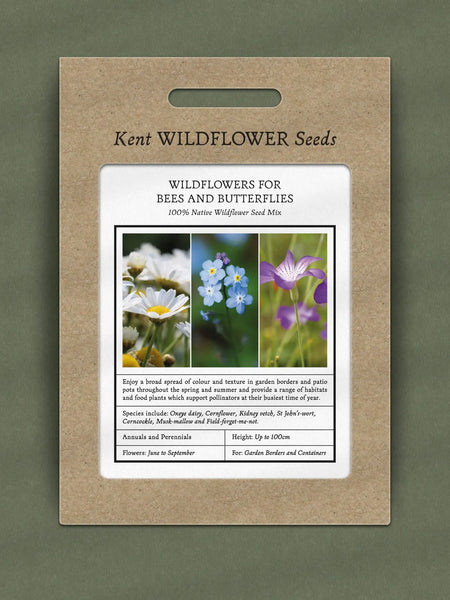
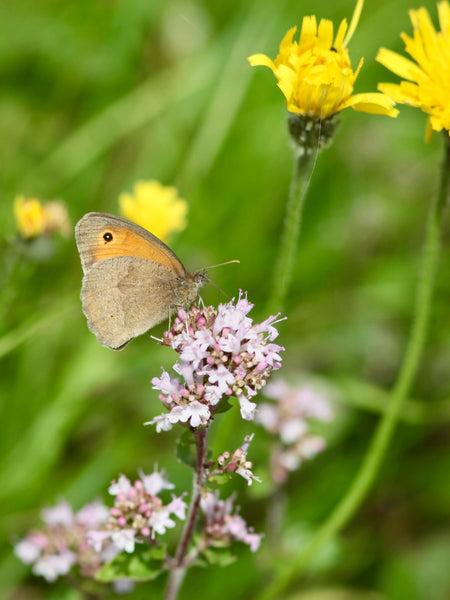
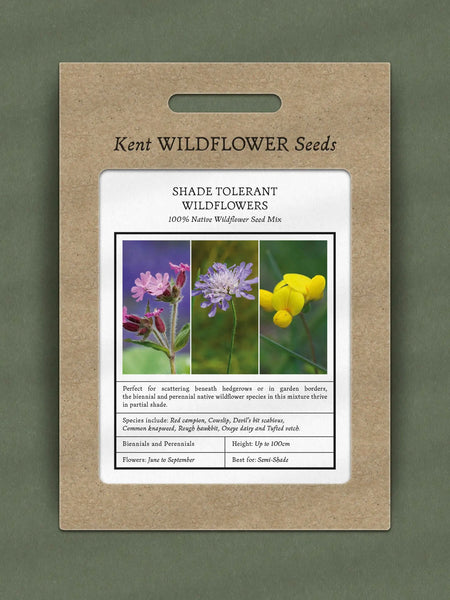
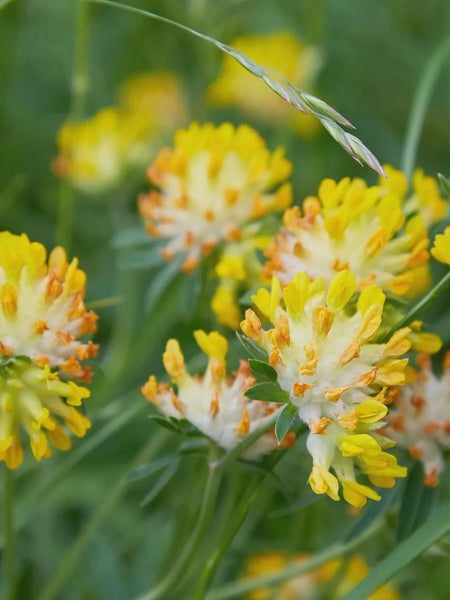
No matter the size of your garden, you’ve probably considered adding wildflowers at some point. While it might seem easy to create a meadow by tossing seeds onto an unmown patch, too much shade, rich soil, or not preparing the area properly can leave you with tough grasses, nettles, thistles, and, most importantly, no flowers. To help you avoid wasting time or money, I spoke with wildflower expert and Chelsea Flower Show gold medal winner Charlotte Denne of Kent Seeds for her advice on creating a beautiful wildflower meadow.

Dan - "Hello Charlotte! Tell me, why should we plant wildflowers? What can they bring to a garden that ornamental plants can't?"
Charlotte - "Wildflowers give your garden a unique sense of place and change with the seasons in a way that ornamental plants can't. Since they've evolved alongside local wildlife, they're great for pollinators like bees and butterflies, as well as birds and small mammals. Wildflowers also change throughout the year, making your garden feel more natural and relaxed. While we often choose ornamental plants for their colour and shape, wildflowers add biodiversity and resilience, helping your garden blend with the local landscape. And let's not forget, they're pretty to look at too!'
Dan - "Does the fact that they're native species make them easier to grow or more reliable?"
Charlotte - "Usually, yes. Native wildflowers have adapted to thrive across the British Isles, so once they're established, they're tough and don't need much care. Still, it's important to pick species that suit your garden's soil, sunlight, and drainage, so make sure your seed mix matches your conditions."
Dan - "In that case, can wildflowers grow successfully in any garden?"
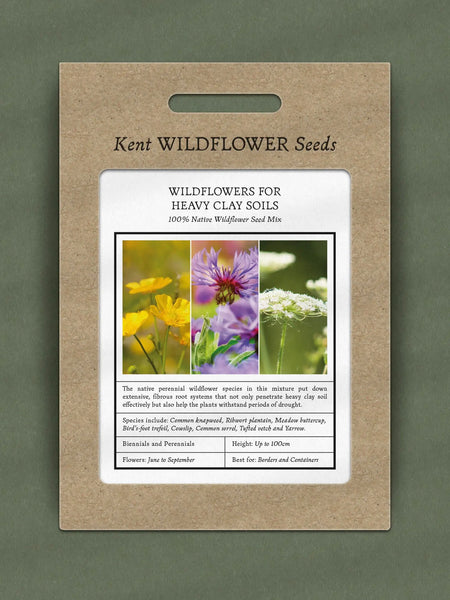
Charlotte - "Wildflowers will grow in most gardens, but not every type will succeed everywhere. Most do best in poor, low-nutrient soil, though some can handle richer ground. The main thing is to choose a seed mix that fits your garden's conditions, whether it's sunny, shady, dry, or damp. With the right mix, even small or tricky spots can host a great wildflower display. We've created mixtures suitable for heavy clay soils, light, chalky soils, and part shade. For full sun, you can't beat the Bright Cornfield Annuals mix, which is bursting with colour (pictured below)."

Dan - "And what if I don't have a garden but want to grow wildflowers in a window box or balcony instead?"
Charlotte - "You definitely don't need a traditional garden to enjoy wildflowers! Many species thrive in containers, and low-growing varieties like red clover and bird's-foot trefoil are especially effective, as they spill over the edges. I've designed a low-growing mix specifically for pots and window boxes, made up of drought-tolerant, repeat-flowering species, which is perfect for bringing colour and life to balconies and patios."
Dan - "When's the best time to sow wildflowers?"
Charlotte - "The best times to sow wildflowers are in spring (March to May) or autumn (August to October). Autumn sowing often works well because it matches the plants' natural cycle and helps seeds that need a period of cold weather in order to sprout the following year - we call this cold stratification. Spring sowing is also a good option, especially as the soil warms up in April and May."
Dan - "And is there a correct way to do it?"
Charlotte - "Absolutely! Preparation is key. Wildflowers generally prefer low-fertility soil, so it's important to remove existing vegetation and reduce nutrient levels if necessary: if your soil is very fertile, you can achieve this by removing a layer of topsoil first. The soil should be lightly cultivated to create a finely textured, firm seedbed. Once the ground is prepared, you should scatter your seeds evenly over the surface and gently press them into the soil - good soil contact is essential for germination. Don't cover wildflower seeds as they need direct light to germinate. Keep the soil surface damp during germination and as the seedlings establish, and if you see any weeds remerging, pull them out to reduce competition for light.'

Dan - "So, how do I know how many wildflower seeds to buy?"
Charlotte - "It depends on the type of mix you're using. As a general guide, 100% wildflower seed mixtures, like the ones you stock at Dan Cooper Garden, should be sown at 2g per square metre - that's equivalent to one packet per square metre. Meadow mixtures, which combine a balance of wildflowers with grasses, can be sown at 5g per square metre. Measuring the area you want to sow beforehand will help ensure you achieve the right coverage without overcrowding."
Dan - "And if I can't use all the seeds straight away, or want to give them as a gift later on, is there a correct way to store them?"
Charlotte - "Store seeds in a cool, dry, and dark place, ideally in an airtight container. Avoid exposure to heat or moisture, as this can reduce viability. Properly stored, most wildflower seeds will remain usable for up to three years."
Dan - "If I wanted to replace part of my lawn with a wildflower meadow or introduce more flowers to an area of grass, what would be the best way to achieve that?"
Charlotte - "For best results, you should start by reducing the vigour of your existing grasses as they can quickly outcompete wildflowers. One effective method is introducing yellow rattle, a semi-parasitic plant that weakens grasses and creates space for wildflowers to establish. You can also scarify or remove patches of turf before sowing to give seeds direct access to the soil. That contact with the earth is really critical, and another reason why simply scattering seeds among established grass won't produce a beautiful meadow. To replace a lawn with wildflowers, I recommend our low-growing wildflower mix, but keep in mind it won't cope with the same rough and tumble as a conventional grass lawn."

Dan - "And how would I maintain my wildflower meadow. Will it need a lot of work?"
Charlotte - "Wildflower areas don't need much upkeep, but they do need some care. Usually, you cut them once or twice a year after they flower. This prevents the grasses from taking over and allows seeds to fall to the ground, where some will germinate. This is particularly important for the annual and biennial species like cornflowers and corn poppies. The mix of plants will change over time, which is part of what makes a meadow special—it can look different every year."
Dan - "I don't want my garden to look completely wild, but I like the relaxed appearance of a cottage garden. Can I mix wildflowers with ornamental plants?"
Charlotte - "Definitely, wildflowers look great with ornamental plants and can make a formal garden feel more relaxed. For a classic cottage garden style, try field scabious, red clover, yarrow, white campion, and ragged robin. These plants add movement and a natural look while still feeling thoughtfully chosen. We've developed a cottage garden wildflower mix that includes all my favourites and will be a magnet for bees and butterflies too "

Dan - "I have a dog – are there any species of wildflower that I should avoid where children and animals are present?"
Charlotte - "While most wildflowers are harmless, some species can be toxic if ingested. It's always wise to check individual species if you have pets or young children, and to avoid known toxic plants such as foxgloves or some members of the buttercup family in high-traffic areas."
Dan - "New build gardens often have poor, rubble-filled soil. Can wildflowers thrive in these situations?"
Charlotte - "Yes, many wildflowers actually do well in poor soils. They often prefer less fertile ground where grasses don't take over. There are special seed mixes for tough spots. If you've just moved into a new build, I recommend our urban spaces mix or another combination to improve soil health. Over time, these will make the soil ecosystem stronger, increase fertility, and support more wildlife, which is often missing in new developments."
Dan - "Kent Seeds has been going from strength to strength. What's next for your thriving business?"
Charlotte - "In the coming year, we want to make Kent Seeds a trusted name for wildflower and grass seed, while still focusing on where our seeds come from and how we grow them sustainably.
Winning a gold medal at the 2025 RHS Chelsea Flower Show, where we showed our homegrown wildflowers in a traditional garden border, has really boosted our confidence. Since then, we've teamed up with British knitwear brand Navygrey to highlight the value of long-lasting, homegrown products, and we have more partnerships planned.
We're also adding more products, such as grass seed mixes, and working to raise awareness of native seeds and biodiversity. We keep investing in the farmland and meadows where our seeds are grown. Our main goal is to make high-quality, responsibly grown seed available to more people, while sticking to the values that have kept our business strong for over a hundred years."
SHOP KENT WILDFLOWER SEEDS
LISTEN TO ME CHAT WITH CHARLOTTE ON MY PODCAST
Other Articles You Might Enjoy: