No sooner has winter begun than signs of spring start to appear in my garden. The pale green beaks of snowdrops are already poking through the soil, offering a reminder that nature is never at rest. In gardens here on Broadstairs seafront and far away on the Scilly Isles, exquisitely perfumed narcissi are already in bloom. Following a bow wave of snowdrops and aconites, their golden trumpets will soon flood across the nation, waking us from our winter torpor.
Even though the shortest day has passed, January can feel discouragingly dark and dreary. For some of us, it’s a month to endure rather than enjoy, but if you can muster the enthusiasm and find the right gear, there’s plenty to be done.

The Algerian iris, Iris unguicularis
As in December, I’ll keep this guide brief. Apart from making New Year’s resolutions, which you may or may not subscribe to, January feels like a month to be as free of lists and additional pressures as humanly possible. Use your time to take stock, plan and, most importantly, open your mind to new possibilities for your garden.
- January is a great month for observing tiny details, and every solitary bloom lifts the spirits. Start the month with a quick scout around to see what’s flowering. You may find the odd rose hanging on for dear life or winter jasmine spangled with canary-yellow starlets. If the pickings are slim, make a note to introduce more winter-flowering plants in spring. Among your choices are sweetly-scented winter box (Sarcococca spp.), powder-blue Algerian iris (Iris unguicularis), carpeting periwinkle (Vinca difformis) or opalescent silk tassel bush (Garrya elliptica, pictured above). For more inspiration, take a look at my ten shrubs to banish the winter blues.
- Resolve to stop using peat, a unique fossil fuel composed of partially decomposed plant material collected from species-rich bogs. Now’s the perfect time to make the switch. Alternatives are more expensive, but I’ve had success with peat-free compost from Dalefoot and Sylvagrow. Be aware that even soil-based composts often contain peat as an ingredient; manufacturers do as little as possible to draw your attention to it.
- Burn your real Christmas tree on a bonfire at home if you can do so safely. According to the Soil Association, incineration reduces emissions by 80% versus those left out for collection by your local authority. Don’t burn it in a stove or on an open fire, as the resin may clog your chimney. If your tree is potted with a good root ball, you could plant it out, provided the ground isn’t frozen. You can also keep it in its pot, which will prevent it from growing too large. I have successfully contained a small Nordmann Fir in a pot for three years, and it's still only 60cm tall.
- Use the month to catch up. I find I achieve very little in December and start the new year on the back foot. Unless it’s a very dry winter, the romantic idyll of fawn seed heads rimed with frost will have been trashed by wind and rain. If a fine, dry day is to be had, wrap up warm and get outside with a pair of shears and secateurs for a good old tidy-up - you’ll find it surprisingly energising and cathartic. Just mind where you tread, so you don’t squash any emerging bulbs. If it’s too cold and wet to work outdoors, put the radio on and tidy your shed instead.
- Winter bedding may look a little flat and forlorn after a cold snap - this is quite normal, and the plants will soon spring back once temperatures rise. Keep flowering plants such as pansies and violas deadheaded. Trim away the old leaves of hellebores so you can admire the emerging flowers in all their glory.
- Don’t be alarmed if the foliage of some plants develops a reddish tint. There are many reasons this blushing occurs, including cold, stress, and nutrient deficiency. However, the plant’s response is usually temporary and considered an attractive feature. You may witness cold-induced reddening in elephant’s ears (Bergenia), star jasmine (Trachelospermum jasminoides), Japanese cedar ( Cryptomeria japonica) and heavenly bamboo (Nandina domestica). The foliage will gradually revert to its normal shade when the weather warms up.
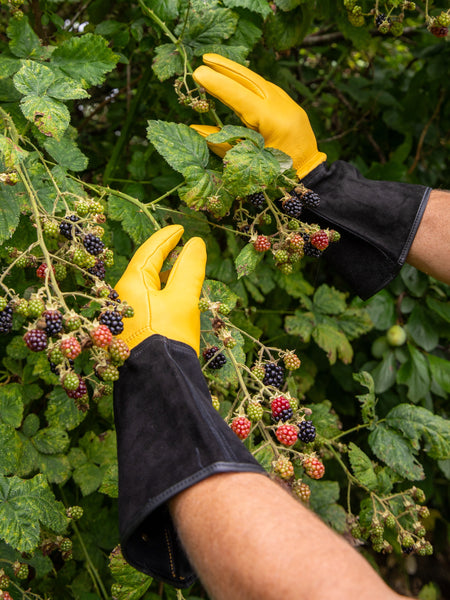
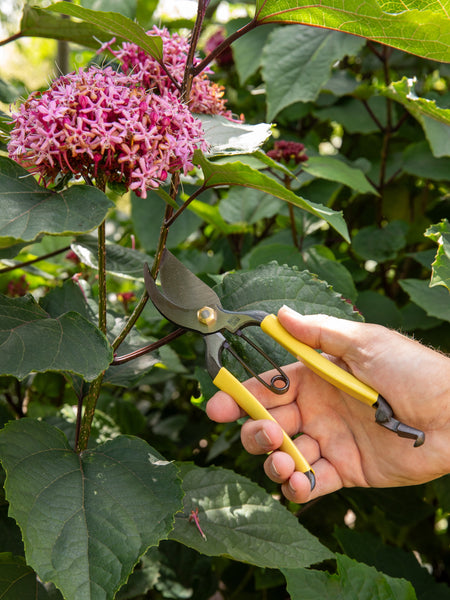
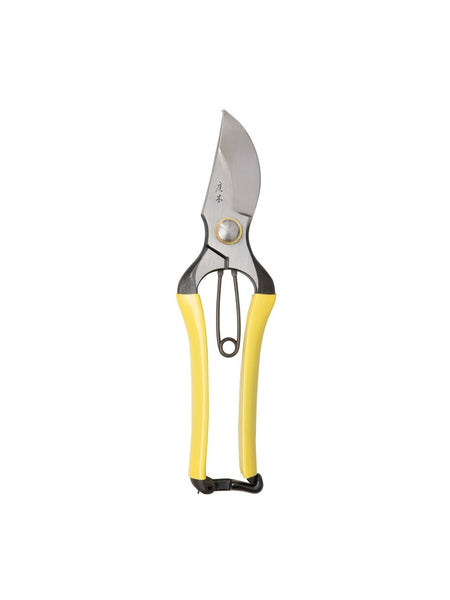
- While you’re spending less time outside, it’s a good opportunity to mend or replace worn-out gardening gear. If you’re feeling thrifty, scour the sales for reduced clothing and boots. I’m bringing in my pruning tools one at a time and giving them a thorough clean and sharpen before coating the blades with protective camellia oil.
- Garden wildlife becomes increasingly reliant on us as natural food sources run out. Keep bird feeders filled with high-quality, high-energy foods, and clean them thoroughly every so often. Keep bird baths and ponds clear of ice by standing a saucepan of hot water on the surface and letting it gently melt through.
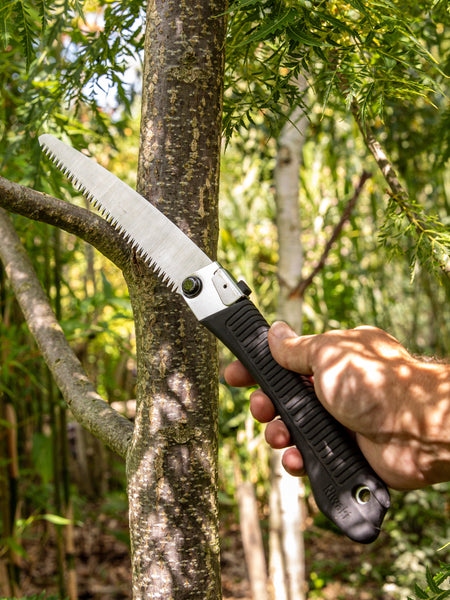
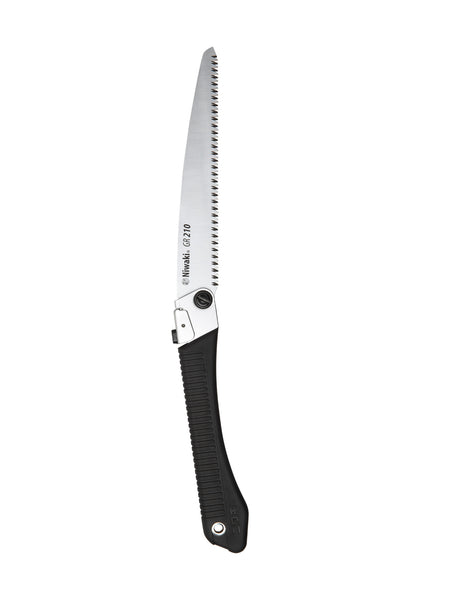
- January is an important month for pruning woody plants. Firstly, it’s easier to see what you are doing when branches are devoid of leaves. Secondly, access to woody plants is often easier when their herbaceous neighbours are resting below ground. Finally, the sap isn’t rising, so cuts will not bleed and invite diseases in. Plants to tackle in January include apples, pears, gooseberries, blackcurrants, grapevines, wisteria, buddleia and lavatera. Each requires a slightly different approach, so do further research before picking up your secateurs, loppers, or pruning saw. You’ll find more advice in my guide ‘How to Prune Like a Pro’.
- The first seed catalogues of the season appeared in my post box long before Christmas, giving me ample time to sit and salivate over the contents. In most instances, I avoid asking for printed brochures to minimise waste, but there is something about a seed catalogue that the online experience cannot replace. Only request catalogues from the suppliers you love and trust because they’ll keep coming thick and fast for years to come. Go through each a couple of times, marking the varieties that catch your eye, then refine your choices, taking care not to overbuy. Most seeds will keep for several years, but there’s not a gardener alive who hasn’t bought more seeds than they have the time and space to sow.
Other articles you might enjoy
-
Ten Shrubs to Banish the Winter Blues
-
How to Revive Snow-Damaged Plants
-
How to Protect Tender Plants Over Winter
-
How to Maintain Garden Tools

Japanese cedar, Cryptomeria japonica 'Elegans', sporting its characteristic winter colouring.