Plants for free? What's not to like? And the good news is that it's one of the easiest things to achieve in your garden, simply by lifting and dividing those varieties you’d like more of.
Division, sometimes known as 'splitting', is a simple way to save money and see quick results while keeping your plants healthy and vigorous. Regular division also helps to keep established plants separate from their neighbours and free of weeds. In this short guide, I’ll explain the benefits of dividing clump-forming perennials, how to do it, and my tips for success.
Why divide?
-
It’s free. Long division eluded me in the maths classroom, but I was a master of plant division. It allowed me to turn a single perennial plant purchased with my pocket money into a large clump, or several clumps, creating impact and repetition within beds and borders. You can do the same!
-
It’s easy. Anyone can divide a perennial: you don’t need any special tools or expertise. You’ll need a spade or fork, a pair of gloves to protect your hands and something sharp to cut through congested rootballs. I’ve included a list of helpful dividing kit at the end of this article.
-
New plants establish quickly. Unlike cuttings and seeds, which are small and vulnerable to begin with, divisions already have mature roots and growing tips: they’ll normally bloom a few months after being split, although a few plants, such as dieramas and peonies, may take a little longer to settle down and begin flowering again.
-
It keeps your plants healthy. After three or four years, established clumps of perennials start to lose their vigour. Typically, the middle of the plant becomes tired and weak while the outer edges remain vigorous and strong. Dividing allows you to discard the sluggish centre while preserving the portions that display youthful vitality.
-
It keeps plants separate. Whilst most of us strive to achieve a tapestry of colour in our garden, it can be a nuisance when plants become intertwined at ground level. The strongest varieties start to take over, and the weaker ones, which are often those we cherish most, are crowded out. By lifting and dividing, you can keep the brutish plants in check so they don't bully the delicate ones.
-
You’re guaranteed more of the same. If you grow new plants from seed, the resulting plants can vary in vigour, form and colour. When you propagate vegetatively, by division, you’ll always get identical plants: this is especially valuable if you have a rare or unique plant, or one that doesn’t produce seeds.
-
It creates an opportunity to share or swap. Once you have as many plants as you need - and this can happen quickly - you can gift spare plants to friends, donate them to community gardening projects, or swap with gardeners who have a plant you’d like in return. If you want to earn a bit of pocket money, you might also be able to sell them at local events.

When to divide
Summer-flowering perennials are best divided in spring or autumn, when the ground is warm and moist, making it easy to work with. The advantage of dividing in autumn is that your new plants will settle down and grow new roots whilst the soil retains its summer warmth, without the stress of producing foliage and flowers until the following spring. The disadvantage for perennials that prefer drier conditions, such as salvias and chrysanthemums, is that they might perish during a cold, wet winter. Spring division is a better option for these plants and a perfectly good alternative if you didn’t complete the job in autumn. The resulting plants may need watering during dry spells. If your plants have already started sprouting, you’ll need to take greater care not to damage them, although most will recover if they get knocked about a bit in the process.
You can divide spring-flowering plants such as Primula, Pulmonaria, Geranium, Alchemilla and Brunnera once they finish flowering, in early to mid summer. All will need watering until established if conditions are dry.
Vigorous perennials, such as Bidens and Rudbeckia (black-eyed Susan), can be divided every year, if you wish to build up your stock quickly. Slower-growing varieties, such as Helleborus (Lenten rose) and Hylotelephium (sedum), should be given 3 or 4 years to bulk up before splitting again. Peonies, Baptisia (false indigo), and Kniphofia (red hot poker) dislike being disturbed and should be left alone unless you are prepared to wait a while for them to recover.

After lifting, this clump of hardy geraniums can simply be teased apart and replanted in clumps with 3-5 shoots each.
How to divide
Division is a straightforward task; hence, most gardening books devote very little space to it. It requires less practice and precision than most gardening tasks, demanding more strength and stamina than skill. As long as conditions are right and each division has some roots and shoots, you can feel confident in your ability to succeed.
-
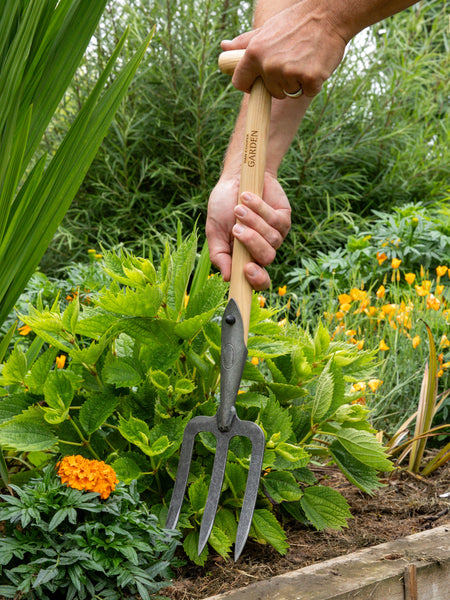
Your first step is to remove (‘lift’) the plant you wish to divide from the soil. You can use a spade or a fork to do this, working around the edge of the clump (the ‘crown), but not cutting into it. If your plant is well-established, removing it from the ground may involve a little time and effort. Take care not to strain your back or vigorously waggle your tools back and forth, as this can bend or break them. Go gently until the plant comes up freely.
-
Shake off a little soil so that the roots and growing points are clearly visible and the mass is manageable. There is no need to remove all the soil. If you’re not ready to divide the plant immediately or wish to move it elsewhere first, temporarily wrap the root ball in hessian or a plastic sack to prevent the roots from drying out. If any weeds are growing in the plant's crown, remove them now; otherwise, you may spread them!
-
Now you're ready to make a division. Some perennials, such as Primula, Tellima, Heuchera, and Hosta, can be teased apart, resulting in single or multiple growing points with roots attached. Aim for three to five healthy shoots per division. Larger divisions will grow back faster, so choose your size based on how quickly you want results. Repeat in a year or two if needed.
-
Perennials such as Solidago (goldenrod), Hemerocallis (daylily), and Agapanthus produce large clumps of intertwined roots that are difficult to separate. To divide them, you can either insert two garden forks back-to-back and use them to pry the root ball apart, or be brutal and use a spade, lawn edger, serrated Hori Hori, or an old bread knife to cut them apart. You may sacrifice a few roots and shoots in the process, but you won’t harm the plant overall.
-
Always replant your divisions at the depth they were previously growing, either in the ground or in pots. Keep them moist until you can see them producing firm new growth.

Dividing clump-forming perennials such as these double day lilies (Hemerocallis) creates opportunities to make a dramatic statement in your garden: repetition is easy on the eye!
My tips for success
-
Every plant is different. If in doubt, seek more detailed advice about dividing the variety you have before getting stuck in.
-
Be patient and go steady - a large rootball can weigh several kilos, especially when wet. Always pay attention to where the prongs of your fork are going!
-
Avoid dividing plants at times when the ground is dry. Not only will it be harder to lift them, but the divisions will need more cossetting afterwards.
-
Try not to divide when a plant is in its first flush of growth in spring - some plants will recover later, but others, such as hostas, could look unsightly for a whole season if you tear the emerging leaves.
-
Reduce top growth by two-thirds if your divisions begin to look stressed. This will prevent them from losing too much moisture. You may lose a season’s flowers, or the plants may flower later than normal.
-
Always use well-maintained, sharp tools for lifting and dividing plants. Loose handles and blunt blades will make the job harder and less enjoyable.
-
When dividing lots of plants, it’s a good idea to disinfect your tools between each clump to avoid spreading diseases through the cut surfaces you create. Use rubbing alcohol applied with a cloth, or dip blades in a very dilute bleach solution in a bucket.
-
Some perennials, such as Aconitum (monkshood), Dictamnus (burning bush) and Euphorbia (spurge), are toxic and can irritate your skin. If you’re not certain what you’re handling, wear gardening gloves.

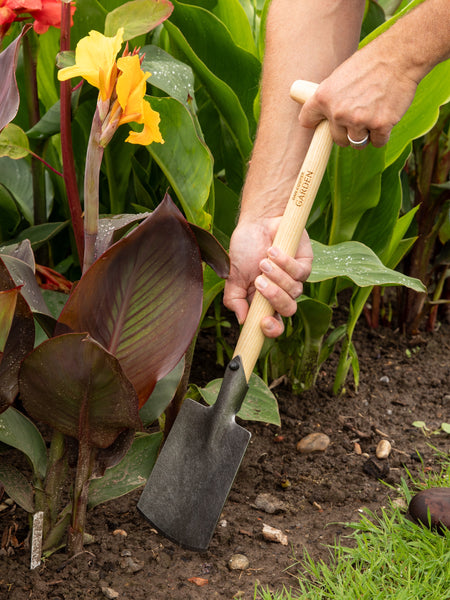
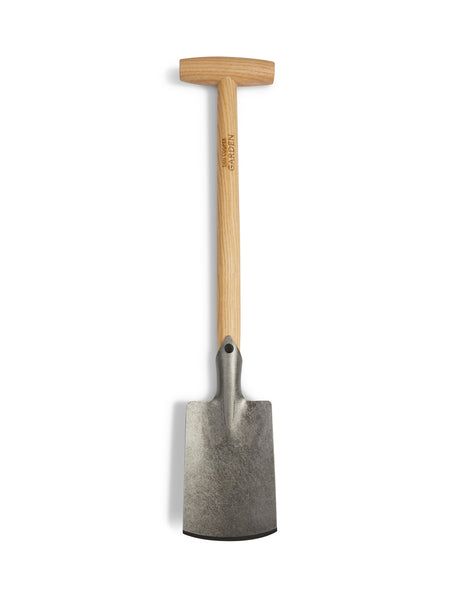
My Signature T-Handled Spade has a sharp edge that's perfect for dividing plants with densely-packed roots.
Best tools for the job
You are likely to have all the tools you need for division in your shed, but if you fancy an upgrade, here are my top picks:
-
Niwaki S Type Hori Hori (available to purchase at events only) - the professional gardener’s choice for sawing through medium-sized clumps and weeding out interlopers.
-
Dan Cooper Garden Signature Dutch-Style Planting Trowel - the sharp, flat blade is perfect for slicing through smaller clumps.
-
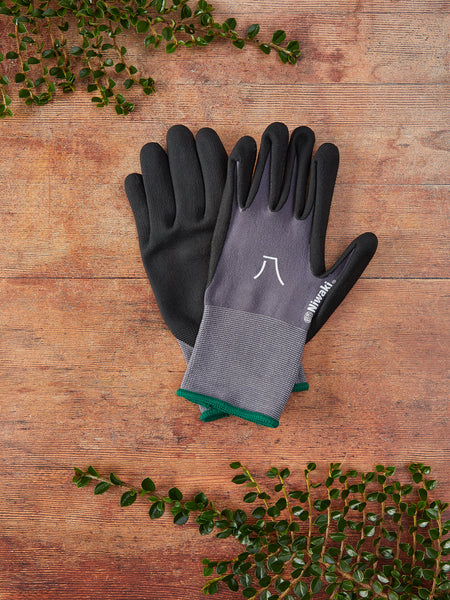
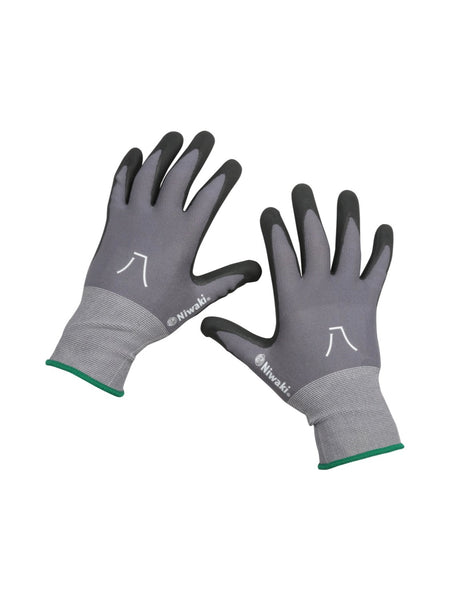
Niwaki Lightweight Gardening Gloves - the nitrile coating on the palm gives you a good grip and maximum dexterity when teasing apart delicate root systems.
-
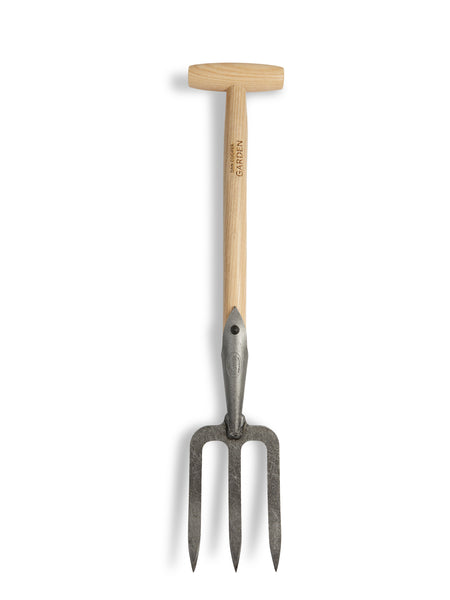
Dan Cooper Garden Signature T-Handled Fork - two of these back-to-back will make light work of separating congested clumps.
-
Niwaki Golden Spade - ideal for lifting and separating plants with thick, fleshy roots - the sharp blade will glide straight through them.
-
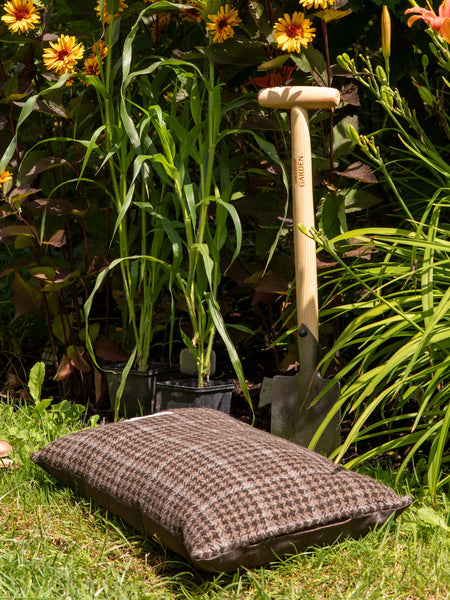
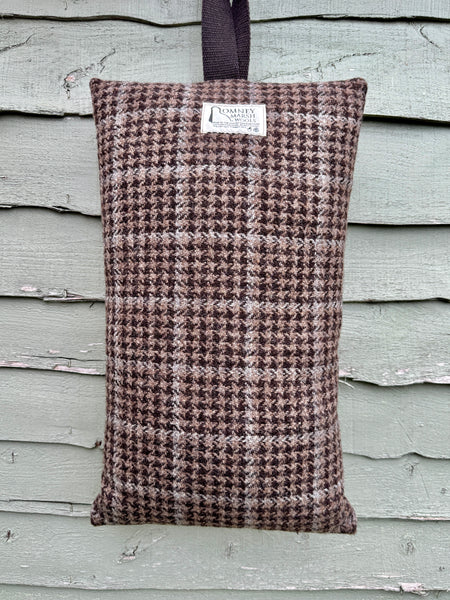
Romney Marsh Wool Kneeler - dividing plants can require spending a great deal of time on one's hands and knees, making a good quality kneeler a necessity.
- Jakoti Hand Shears - the best tool for cutting back stems and foliage before or after dividing your perennials.
Other Articles You Might Enjoy
-
How to protect tender plants over winter
-
Simple summer pruning
-
Six strategies to stop slugs and snails from eating your hostas