Many gardeners think of spring as the prime time to plant, but it wasn't always so. Gardeners of my grandparents' generation considered autumn not only the best time to plant hardy plants but also the start of the gardening year. This may strike you as odd, given that many plants decline and cease growing above ground as the calendar year draws to a close. But with our summers getting hotter and drier, there's a strong case for taking advantage of winter dormancy to give plants the opportunity to establish before being put under pressure to bloom and grow.
Spring planting has grown in popularity in recent years, perhaps because we crave more instant gratification than gardeners of old. It is also motivated by garden centres, eager to convert their precious selling space to Christmas after the school holidays. Visit in September, and the pickings will be slim. Wise gardeners know that autumn planting will achieve better results, saving time and effort in the long run, which is why specialist plant fairs are thronged with visitors in September and early October.
What’s so special about autumn?
During the autumn months, from September to November, the soil retains much of the warmth it accumulated over the summer while benefiting from increasing amounts of rainfall. These conditions encourage plants to develop new roots that venture deep into the soil in search of moisture. Many will then go dormant as winter approaches, losing their foliage or all of their above-ground parts, putting them under minimal stress for the first six months in their new home. When temperatures rise in spring, autumn plantings are established, rested, and ready to grow, often resulting in larger plants and earlier flowers in the first growing season. It’s not uncommon for perennials planted in autumn to mature within one season. Hardy annuals too, sown in September, will form strong, stout plants before flowering the following year.
It’s also worth considering your comfort. Autumn can be a lovely time to garden and build up your vitamin D reserves before winter. Conversely, spring can be cold, wet and dark, as we experienced in 2024 and 2025. Imagine not having to worry about that because everything was done and dusted before winter.
What happens if I wait until spring?
Spring is still a good time to plant, but you may have to work harder and wait a little longer for the same results. Soil can remain chilly until May. Then, just as it reaches the perfect temperature for planting, rainfall tends to decrease dramatically. For new plantings, this can cause immediate stress, which is only alleviated by regular watering—something most gardeners prefer to avoid. Unless you water thoroughly enough for the water to penetrate deep into the soil, there is an additional risk that plants will develop most of their roots close to the soil surface, leaving them vulnerable to drying out in summer.
At the same time, weeds often proliferate in spring, competing for space and nutrients, while bugs and diseases take advantage of warmer weather to multiply. New plants can quickly find themselves fighting for all the elements they need to survive whilst under attack from pests. Good gardeners step in and help by weeding, protecting, and watering, but much of that effort can be avoided by planting in autumn instead. A healthy, established plant will brush most troubles aside.
Are there circumstances when autumn planting isn’t the right choice?
There certainly are!
Although autumn nights and mornings are cooler than in summer, daytime temperatures can remain high. September can also be a dry month, so be patient and wait until conditions are more typical of autumn before getting your spade and trowel out.
Winter frosts will kill tender plants and half-hardy annuals. These should be potted and overwintered in a greenhouse or conservatory if you want to keep them alive. Many Mediterranean-climate plants, particularly those with silver-grey or felted leaves, dislike cold, wet winter conditions. Unless you have free-draining soil, they will establish better if planted in spring. If you live in an area that experiences exceptionally cold, wet winters, you may elect to do most of your planting in spring.
Established plants are generally more cold-tolerant than young ones, so if in doubt, hold back small plants until spring and accept that you’ll need to nurture them in the short term.
Tulips are susceptible to moulds and diseases that can damage their bulbs if the ground is too warm at planting time. They are best planted from November onwards, but they should look after themselves once established.
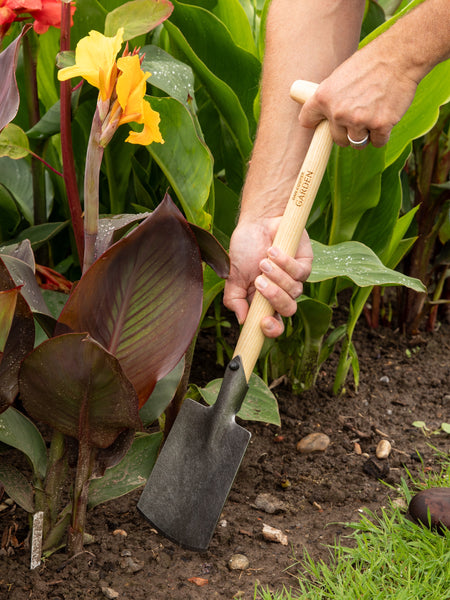
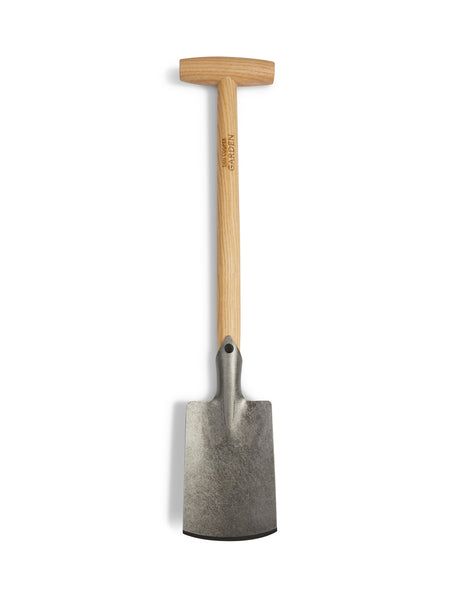
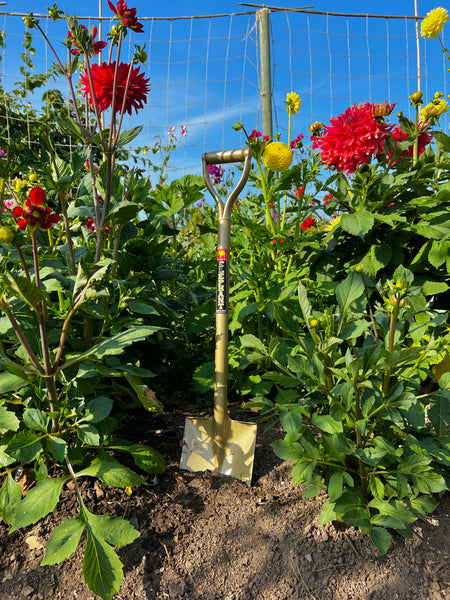
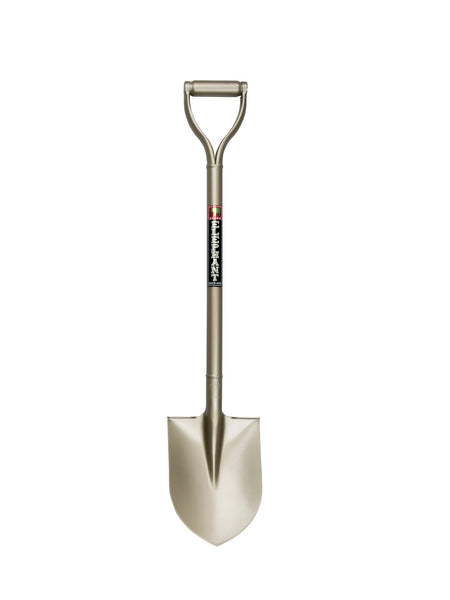
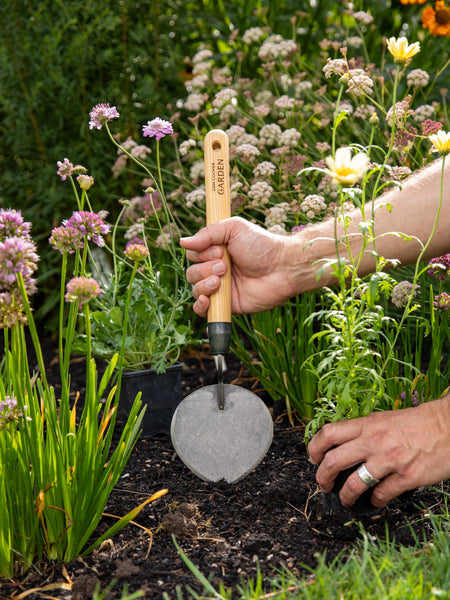
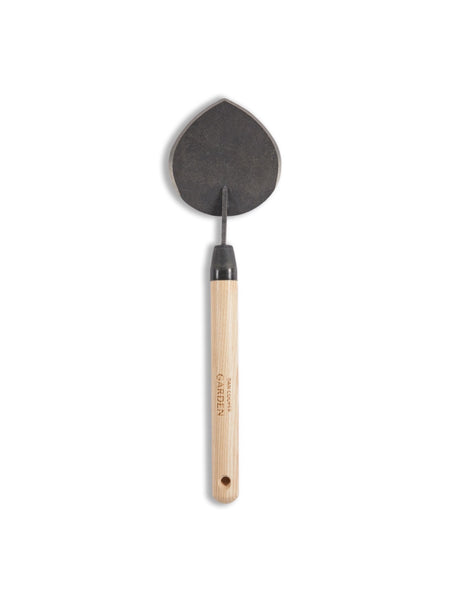
Lastly, if you are anything like me, your garden will be bursting with plants in autumn, and you may struggle to find space for new acquisitions. A narrow spade or planting trowel, such as the PKS Bronze 'Auva' spade or 'Mira' trowel, makes planting between established perennials and shrubs easier. Alternatively, you can wait until growth dies down and can be cleared away. Be careful not to disturb established bulbs; if you do, you should replant them immediately.
What tools do I need for autumn planting?
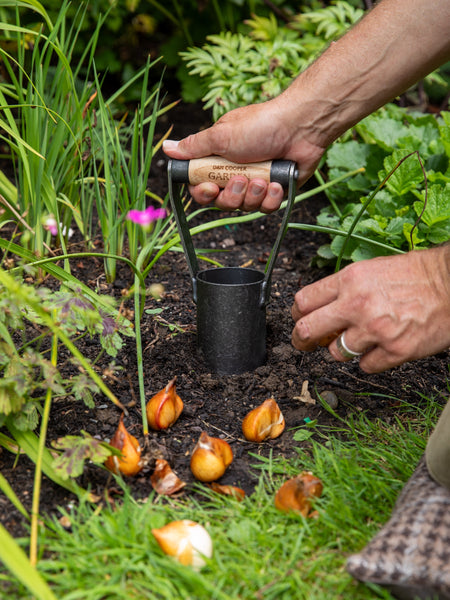
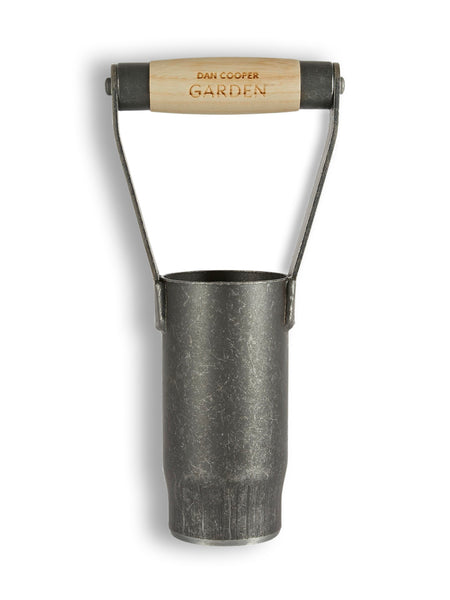
No specific tools are required for autumn planting, although a narrow spade, planting trowel, and cylindrical bulb planter will come into their own. A Hori Hori, a multipurpose Japanese knife used for planting, weeding, and digging, is also invaluable when dividing and replanting perennials and rhizome-forming plants like agapanthus. I sell these versatile tools at all the plant fairs I attend.
Should I feed and water autumn plantings?
You can, if you wish, sprinkle a slow-release fertiliser over the soil used to backfill your planting holes. This will be effective while the plant is still actively growing, but nutrients may be leached away during winter. You might choose to hold back feeding until spring, giving the plant a boost when it starts growing again. There is a school of thought that says growing plants 'hard', i.e. with minimal mollycoddling, will produce more resilient plants in the long term.
If conditions are still dry when you plant, fill your planting hole to the brim with water and let it drain away before popping the plant in; with luck, your plant's new roots will follow the moisture down, setting it up for future success.
If a new plant has a lot of top growth, it can be vulnerable to wind damage and may rock in the soil, breaking any new roots that form and creating a hollow that could flood with water. If the plant can be trimmed back a little, that will help, or you can insert sturdy canes or stakes for stability until the plant establishes.
What to plant in autumn
- Trees and shrubs - container-grown and bare-rooted (from November onwards).
- Roses - container-grown and bare-rooted (from November onwards).
- Hardy perennials - all except those that require super-sharp drainage. And don't forget it's a great time to divide perennials too.
- Biennials, including wallflowers, foxgloves, sweet williams, stocks and forget-me-nots.
- Hardy annuals, including cornflowers, poppies, corncockles and snapdragons.
- Spring-flowering bulbs, leaving tulips until the end of the season.