Heatwaves can seriously impact our gardens. Luckily, most don’t last long and are followed by more unsettled weather. If you want your garden to recover and become stronger for the future, there are several things you can do.
-
Take off any flowers that have been burned by the sun, since they won’t recover. Buds that are still tightly closed should open normally, but they might fall off if the dry weather continues: when water is limited, plants cope by shedding leaves and flowers. Give your plants plenty of water to stop buds and fruits from dropping and to help wilted leaves perk up.
-
Don’t do any heavy pruning right now. Plants are already stressed, and cutting them back will make things worse in the heat. Vigorous plants might also lose sap from cut stems, which can dry them out further and let diseases in.
-
If seeds haven’t sprouted, try sowing them again. Vegetables like spinach and lettuce won’t germinate if it’s too hot, and seedlings of other cool-weather plants might wilt or stop growing in the heat. Wait until it’s cooler to resow, and give them some shade if the sun is still strong. You can also plant seeds in the evening, so they get a cooler start.
-
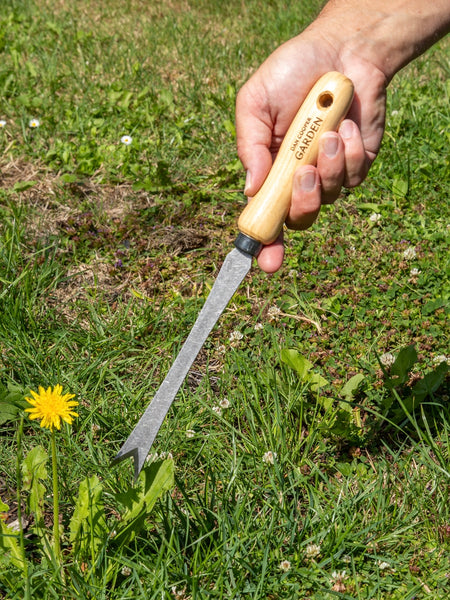
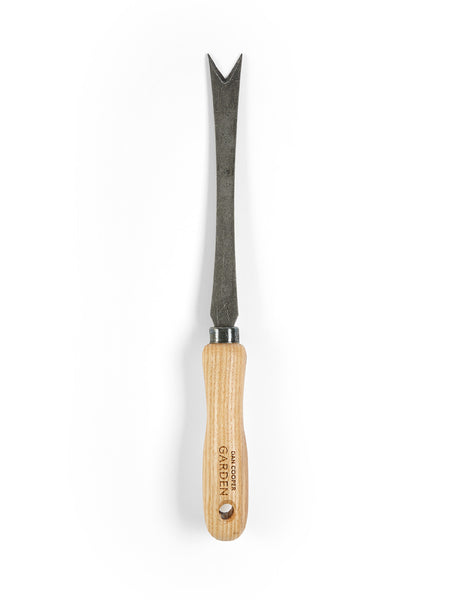
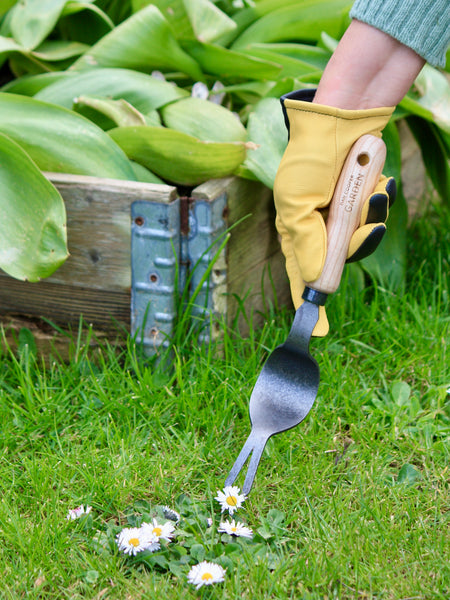
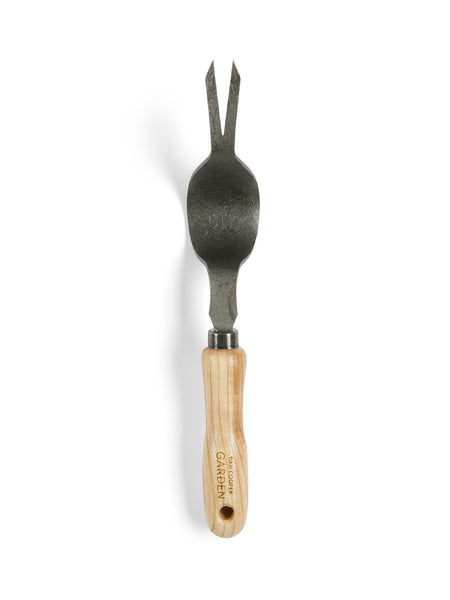
Try not to mow your lawn right now, but watch out for weeds taking over bare spots. If you do mow, set the blades high enough to remove only the seed heads of rough grasses, but don’t cut too short. Use a dandelion weeder or lawn weeder to pull out unwanted plants, since weeds can spread quickly when the grass is weak.
-
Water any new plants often and make sure the water soaks in deeply. This goes for anything you’ve planted in the past 12 months. Dry weather can damage fine roots near the soil surface, so deep watering helps roots penetrate further, making your plants tougher in advance of the next heatwave.
-
Once the soil is moist again, add a layer of compost, straw, or fine bark as mulch. This keeps the moisture in and slows down drying. Mulching not only helps your plants but also protects the helpful creatures and microorganisms in your soil that prefer cooler conditions.
-
If your potted plants have dried out completely, give them a good soak. Sometimes, dry compost pulls away from the pot’s sides, so water just runs through without soaking in. The best way to rehydrate them is to put the whole pot in a bucket or sink of water until it’s fully soaked. You might need to hold it down until all the airspaces are filled to prevent it from floating. Afterwards, let any extra water drain away.
-
Don’t feed your plants when the soil is dry. Just like we wouldn’t want to eat a meal without a drink, plants don’t like you to feed them if the ground is dry. Strong fertilisers can burn roots or upset the plant’s natural equilibrium, so use very dilute mixtures or wait until the soil is moist. If more hot weather is coming, it’s better not to encourage excessive new soft growth that will burn or flop quickly.
-
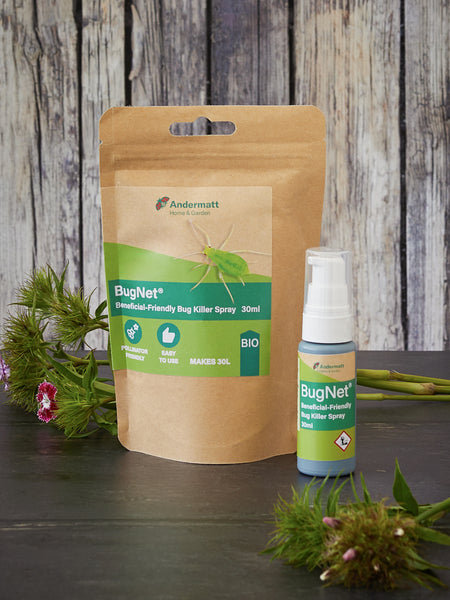
Watch out for pests. Just like weeds, pests can take advantage of the conditions after a heatwave. Damaged or weak plants are easy targets for slugs, snails, aphids, and red spider mites. As you help your plants recover, keep checking for pests: remove them by hand or use a product like like SB Plant Invigorator to keep them away.
-
Look out for powdery mildew, which is a white fungus that can quickly cover the stems and leaves of plants with dry roots. This weakens plants and affects their performance. To prevent powdery mildew, water plants at the base and avoid splashing water onto the leaves. Make sure there’s good airflow, since the fungus likes damp, sheltered spots. Taking off the lower leaves of plants such as dahlias, lupins, and delphiniums can also help.
Since heatwaves are happening more often and earlier in the year here in the UK, it’s a good idea to help your plants recover quickly and stay healthy so that they're stronger next time the mercury rises. If some plants don’t make it, seek out types that can handle hot weather and are more resistant to pests and diseases.
And it's not all bad news - spells of warmer weather are welcomed by plants from warmer climes and brilliant for barbecues!
Other Articles You Might Enjoy
-
How to Prepare Your Garden for a Heatwave
-
How to Water Wisely
-
How to Create a Drought-Tolerant Garden