Autumn brings a pronounced shift in the mood, texture and development of our gardens. Growth slows, and plants start to divert their energies into seed production and preparing for winter. Cooler, damper weather and decaying plant matter create a unique set of challenges (and opportunities) for plants and soil, just as many gardeners hope to take their foot off the pedal. Here is how to spot and remedy the five most common afflictions suffered by gardens in autumn without too much fuss.
1. Resurgent Slugs and Snails
Just as you thought you were in the clear, these pesky creatures reappear and decimate the plants you’ve carefully cultivated all summer. They come in two battalions: the mature molluscs that hid themselves away during the hot weather, and their tiny offspring, which cause an amount of damage at odds with their minuscule size. Wetter weather brings slugs and snails out in force, and under the cover of darkness they will make short work of dahlias, hostas and emerging seedlings such as sweet peas.
I find all the usual ground-based controls — wool pellets, eggshells, beer traps, etc. — ineffective in autumn, as these slippery creatures can cruise from one leaf to another, avoiding contact with terra firma altogether. Garlic spray gets washed away too quickly to be effective. The best treatment, and I know not everyone will relish this, is to remove the slimy culprits by hand and move them off-site or to a wilder part of the garden if you are fortunate enough to have one. I recommend they be transported at least 20 metres away to prevent them from finding their way back. I find that removing partially nibbled leaves helps, as slugs and snails leave chemical scent markers in their mucus that lead them back to unfinished snacks. Pick off damaged leaves, and they’re less likely to return to that plant. Dispatching baby slugs and snails in autumn also reduces the adult population in future years and, over time, can be a highly effective control method.
If your plants are damaged beyond salvation, cut them back, clearly mark their position and be ready to protect them when they re-emerge in spring.
2. Powdery Mildew and Other Fungal Infections
Gently diffused light is one of many magical features of autumn, capturing our gardens in dreamy soft focus. That delicious haze is caused by high humidity, which, when combined with dry soil, triggers the appearance of fungal diseases such as powdery mildew, rust, black spot and blight. Once they’ve set in, these fungal afflictions are hard, if not impossible, to control, so try to get ahead of the game by taking these four preventative steps.
-
Remove lower leaves — i.e those closest to the ground — concentrating on plants such as squashes, courgettes, dahlias, hollyhocks and roses. This will improve air circulation and reduce the likelihood of spores splashing up from the soil onto foliage when it rains. I find snips useful for this task.
-
Water plants gently at the base and avoid wetting the foliage - fungal spores love colonising damp vegetation. Unfortunately, heavy dew can thwart your attempts to keep foliage dry, which is why I recommend using a combination of methods to keep fungal infections at bay.
-
Use a mildewcide (fungicide) before or immediately after the first sign of fungal attack — you can make your own using bicarbonate of soda or neem oil, or buy nature-safe formulations such as SB Plant Invigorator.
-
Clear away infected leaves immediately. The downside of being more hands-off in the garden is that pests and diseases can spread more quickly. Diseased leaves should be collected and burned or added to green waste rather than your compost heap. (The exception is hot composting, which should kill most fungal spores). If you leave infected leaves in situ, spores will overwinter in the soil and re-infect your plants the following year.
3. Excessive weed growth
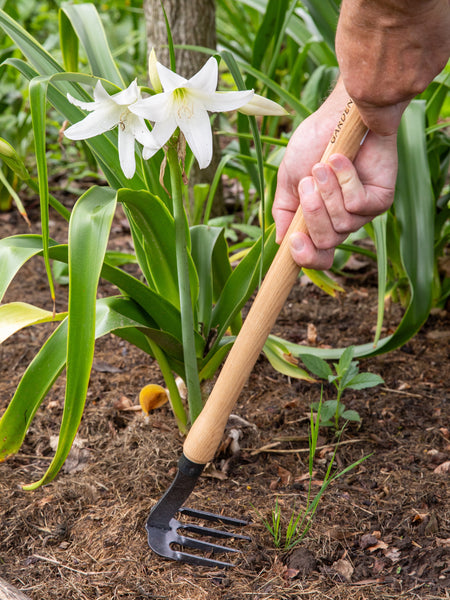
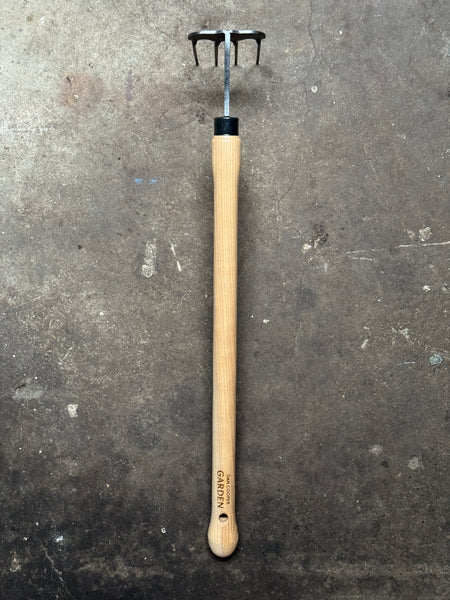
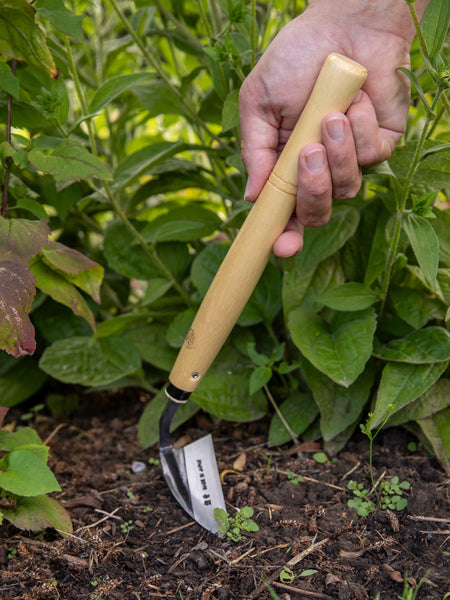
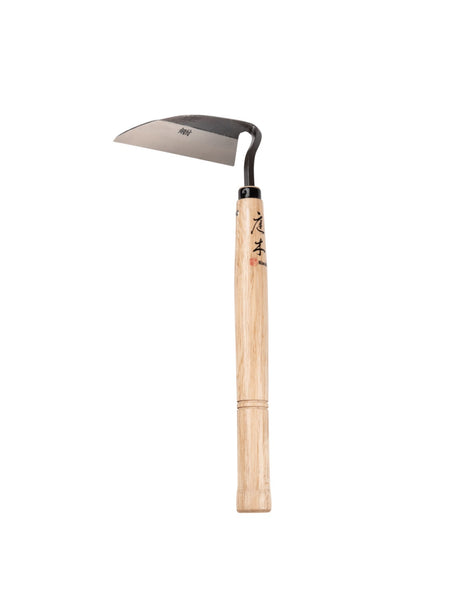
Weeds are nature’s great opportunists. While you may be looking forward to reducing your gardening workload, weeds will see autumn as an excellent opportunity to gain a foothold while the ground is warm and damp. Some may even have time to complete a full lifecycle before it gets cold, leaving you with a legacy of seeds that will germinate with gusto in spring. Keep patches of bare soil clear of emerging weed seedlings by using a Japanese hoe or 4-tine cultivator if they’re more established. Better still, plant a permanent groundcover or a temporary cover crop, such as green manure, that leaves no room for weeds to germinate. This can be dug in during spring, improving your soil's condition in the process.
4. Nutrient Depletion
Few of us look after our soil as thoroughly as we ought to. If you’re guilty of neglecting your soil, autumn is the ideal time to remedy that. Adding organic matter in the form of homemade compost, well-rotted manure, wool, mushroom compost, or fine bark chippings will add nutrients, boost soil organisms, and improve soil structure, regardless of soil type. You can either apply organic matter as mulch around specific plants or across an entire border, taking care not to swamp or bury plants in the process. There is no need to dig organic matter in — but apply it early in autumn to allow worms and beneficial bacteria time to begin transforming the organic matter into humus, which retains moisture and is rich in nitrogen and other minerals that plants need to grow healthily.
Autumn is a great time to start composting if you haven't already tried. You won't have a problem finding material to compost, but be sure to add roughly equal layers of wet (green) and dry (brown) material, so you end up with well-structured compost, not a soggy, smelly mess or a coarse, twiggy mass that takes forever to decompose.
If you have been growing summer-flowering annuals in containers, not only will the compost be stripped of nutrients by now, but it will also have begun to lose its structure as it decomposes. There are gardeners who suggest that spent compost can be re-used for planting spring-flowering bulbs in pots, but I would urge caution here. Cheap, multi-purpose composts don’t have great texture to begin with, so I’d recommend tipping it out onto a bed or using it as a mulch and starting again with fresh. Provided that it’s free of pests such as vine weevils, soil-based compost can be revived by adding a few scoops of slow-release fertiliser in autumn before replanting with bulbs or winter bedding.
5. Frost and Wind Damage
Autumn weather can vary dramatically from day to day and year to year. While the season may get off to a balmy start, experienced gardeners will be watching the forecast for predictions of gales or sudden cold snaps.
If your garden is exposed, it’s a good idea to reduce the height of any plants that might catch the wind, or stake them securely. Wind rock can loosen or break roots beneath the ground, so pay special attention to newly planted trees and shrubs and any plant that’s top-heavy and inflexible: those potentially prize-winning sunflowers can easily be taken out by a freak gust of wind. To guarantee the dazzling autumn colour of acers, keep them well watered and out of strong winds, particularly if they are potted.
Depending on where you live, ground frosts are a risk from October onwards, so keep a bale of plastic-free frost fleece to hand. As a general rule, if nighttime air temperatures are due to fall below 4-5ºC, tender plants, including late-sown salad crops, could be frosted. Here at The Watch House, I move cold-sensitive potted plants, such as bananas, pelargoniums, coleus and gingers, steadily closer to the French windows, where it’s warmer and more sheltered. If it suddenly gets cold, I can bring them inside quickly and easily.