You've nursed their plump tubers through winter, gently coaxed them into growth and protected their tender shoots from frosts, slugs and snails. Now it's summer, your dahlias are planted, pinched out and growing bushily. From mounds of lush foliage, the first tantalising buds are emerging. There's anticipation in the air. You're about to be rewarded for your hard work, so what's left to do? As the days grow shorter, they'll naturally produce a bounty of blooms, but there are still things you can do to ensure they flower relentlessly through summer and autumn until the cycle begins again.
Staking
Dahlias come in all shapes and sizes. Their hollow stems make them strong - the Aztecs even used them as water pipes - but all share a vulnerability at the base where the stems emerge from the tuber. Summer storms, errant footballs and boisterous pets can quickly trash a large, healthy dahlia by causing the stems to tear or snap at the base. Large-flowered varieties may also collapse under the weight of their blooms if left unsupported.

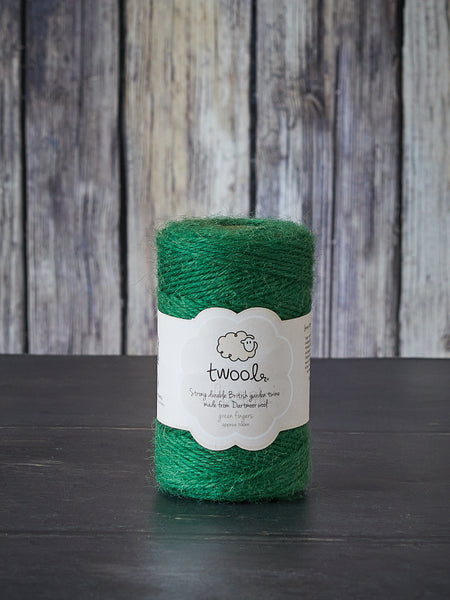
Dahlias tied securely with wool twine.
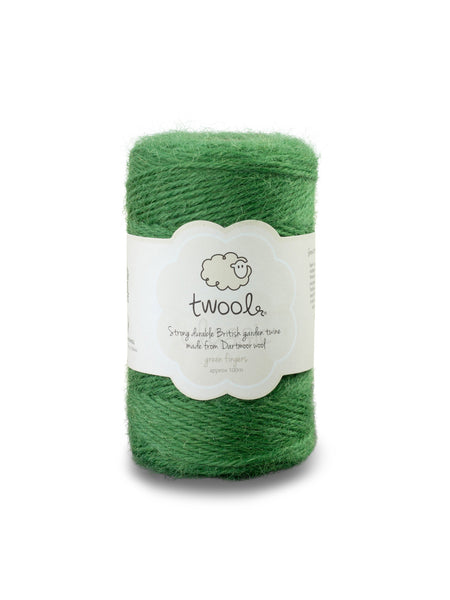
I always encourage staking early and well so the supports are concealed as they grow. If you've missed the boat, don't worry. You can stake individual stems or whole plants at any point using garden canes and soft twine. Insert three or four canes around each plant's perimeter, taking care not to push them through the tubers. Gather all the stems inside before encircling them with twine at 30cm intervals from the ground. I favour wool for this task as it won't cut into tender stems like jute or sisal. If you have a large patch, you can also support them using mesh or net stretched horizontally over the plants between canes or stakes. Again, this is best done early so the stems can grow through the holes and disguise it.
If you get the odd snapped stem, remove it completely and allow the dahlia to put all its energy into the remaining ones. Even a plant that's been decimated will resprout from the base but may not reach flowering size this season.
Watering
Dahlias are relatively thirsty plants. Their thick stems and lush leaves require regular water to stay plump, but they can withstand short droughts thanks to their fleshy tubers. During summer, dahlias in sunny borders need watering 2 or 3 times a week if there's no rain, and dahlias in pots may require daily watering. I recommend giving each plant a gallon of water - about 4.5 litres or a small watering can full - each time. Creating a low, circular earth fortress around each plant will hold water close to the roots and prevent it from running away.
Whether using a hose or watering can, direct water toward the base of the plant and avoid splashing the leaves. Dry soil combined with wet foliage can trigger powdery mildew, an aggressive fungus that coats foliage with a white bloom and eventually ends your display. Although it won't kill dahlias, it weakens them, and weak plants overwinter less reliably.
If you have many dahlias or limited time, a drip irrigation system or seeper hose ticks many boxes. Both use less water and are often excluded from hosepipe bans. They operate while you do other things and reduce powdery mildew risk since they don't wet the foliage.

Dahlias growing on our allotment in Broadstairs.
Feeding
As well as liking water, dahlias are greedy feeders. They grow quickly and prefer nutrient-rich soil, especially when growing in pots. During summer, I keep it simple and use liquid feed formulated for tomatoes. This is rich in potassium, which promotes flowering and fruiting. Avoid high nitrogen fertilisers that promote foliage over flowers. Seaweed-based fertilisers, especially concentrated ones, are also high in potassium and excellent for dahlias. Always dilute liquid feeds according to the manufacturer's instructions and try to feed at least once a week. Some find it easier to remember by setting a specific feeding day.
Shading
2026 has been unusually hot and dry. During successive heatwaves, some people's dahlias have really struggled to grow as they would normally. Wilting is usually a short-term sign that dahlias' water demand is outstripping supply, but scorching, from which foliage won't recover, is effectively sun-burn. The same can happen to flowers, which appear singed at the edge of each petal. To prevent sun damage on very hot days, I recommend throwing a fine gauze over your plants to block out a small percentage of the sun's rays - Insectonet is perfect as it's light and will reduce the light reaching your dahlias by about 12%. Being white, it will also reflect sunlight, helping to keep your dahlias cooler. Overnight or once the weather cools, you can remove the net so that pollinators can enjoy the flowers.
Deadheading
Like other annuals and herbaceous perennials, dahlias are on a mission to grow and flower before cold weather stops them. Once they've flowered and set seed, their biology tells them their job's done and they can focus on storing energy for winter. That's not what we want, so our task is to thwart them by removing spent blooms. Your dahlias will respond by producing more flowers, their efforts accelerated by ever-shortening days, which signal that time is running out.
Of course, you can stick to removing spent blooms only, but when dahlias produce such gorgeous, covetable flowers it's a pity not to pick a bunch for your home too. Unlike some other flowers, dahlias don't open further if picked in bud, so catch them just as they've opened fully. They'll last 4 or 5 days in a vase. Don't be scared to cut your dahlias' stems from deep down in the plant. You might take a few buds with your chosen bloom, but cutting low will encourage more vigorous growth and longer flower stems over the growing season.
For more advice on cutting and caring for flowers, I've written a separate guide that you might find helpful.

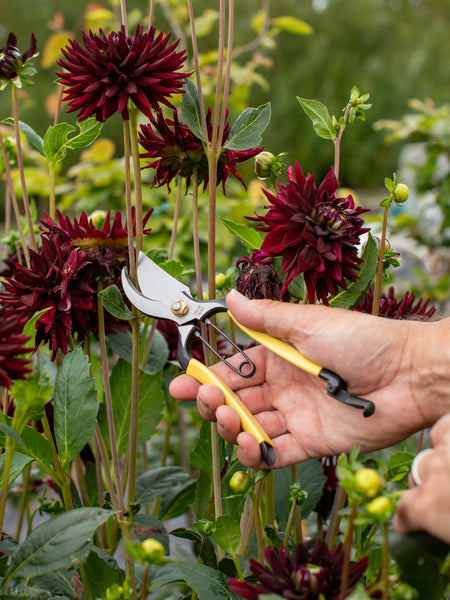
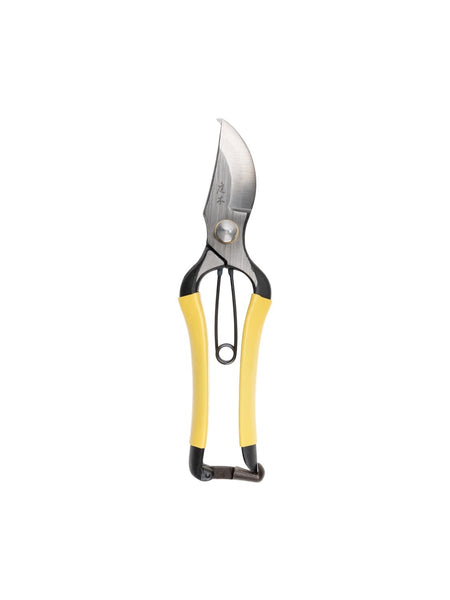
Bypass secateurs are ideal for cutting tender dahlia stems.
You'll know a dahlia flower is ready for deadheading when the back petals start to brown, shrivel or fall. One of my pet hates is seeing dahlia plants strewn with fallen petals, so I tend to remove them sooner rather than later: they make pretty compost! Dahlias can always be relied upon to replace their flowers quickly, so don't fall into the trap of leaving them intact because they're still pretty. By the next day you'll wish you'd cut them off!
Pests and diseases
Once established and growing strongly, dahlias shrug off most pests and diseases.
By the time they reach 40 - 50 cm in height, the threat of damage from slugs and snails diminishes, although they can still wreak havoc among dahlias in pots or during wet weather. I find there's nothing more effective than a nighttime patrol, gathering the little blighters and taking them somewhere they can't harm my precious plants.
I occasionally get outbreaks of blackfly on my dahlias immediately after planting them out in June. They gather on the stems below the first buds in thick, unsightly masses. I find that ladybirds quickly disperse the crowds of tiny black bodies, but if they don't act fast enough, a blast with a hose speeds the process up.
More difficult to detect are viruses. These are many and varied and cannot be cured. Telltale signs are yellow streaks, blotches or patterns on dahlia foliage, particularly between the leaf veins. These symptoms could also indicate overwatering or a nutrient deficiency, but when combined with stunted growth and malformed flowers, you can safely assume a virus is at work.
In this situation, the only course of action is to quickly destroy the entire plant, including the tuber, since sap-sucking insects like greenfly will quickly spread a virus to neighbouring dahlias. Because viruses can go undetected in tubers, it's sometimes the case that newly-purchased dahlias from less scrupulous suppliers can introduce viruses to your garden. If you believe that to be the case, always take it up with the company you purchased from.

Powdery mildew affects dahlias when the soil is dry, and they're crowded together.
I've mentioned powdery mildew a couple of times, and although not a killer, it's unsightly and a nuisance. Here on the east coast of Kent, the soil is chalky and dries out extremely quickly. At the end of summer and in early autumn, we get a lot of dew, which wets the foliage overnight. Before we know it, there are a few smudges of white on our dahlias' lower leaves. Left unchecked, powdery mildew will spread quickly between the tightly-packed plants and, unable to photosynthesise properly, they will rapidly start to decline. Good airflow can make all the difference, so removing your dahlias' lower leaves is a sensible precaution towards the end of the season. There's an excellent product called SB Plant Invigorator which I find effective at controlling mildew once it's caught on, delaying its advance just long enough to enjoy the last few weeks of flowering.
Seed Collection
If you would like to expand your dahlia collection, the easiest way is to divide the tubers when you lift them in late autumn / early winter or take basal cuttings in spring, when they start to sprout. Dahlias can also be propagated from seed, but they will never come 'true' - that is, they'll never produce a replica of the plant you gathered them from, which is typically what you want. However, dahlias will germinate readily from seed, and from each you'll get a unique plant, which is one reason why there are so many varieties on the market.
Breeding a dahlia that's good enough to be named and sold commercially takes a lot of skill and time, but in your own garden you can have a little fun and see what happens. We have several seed-grown dahlias on our allotment and love them just as much as the named varieties. The tendency is for seedlings to produce single flowers - these don't last as long as doubles, but pollinators adore them and they somehow look more natural mixed in with other plants.
Single 
Single dahlias don't last long as a cut flower, but pull in pollinators from far and wide.
As autumn progresses, but well before the first frosts, stop deadheading and let seed heads form naturally. Initially, they will be pointed in shape and closed up, but still fleshy. Wait until they turn brown and papery before harvesting the seed and store it somewhere cool, dry and dark until spring. If you are inclined, you can also make a note of which variety you collected the seed from, to see if any of its offspring bear any resemblance.
If you follow these simple pointers, your dahlias will still be blooming when Jack Frost comes and turns them black in November or December. Then it's time to decide whether to lift and store or mulch and leave; further advice on which can be found below.
Other Articles You Might Enjoy
-
Simple Summer Rose Care
-
Summer Into Autumn - How to Keep Your Garden Blooming Beautifully
-
How to Overwinter Dahlias
-
How to Cut and Care for Flowers